
Understanding Seasonal Maintenance Requirements
Ohio’s climate presents unique challenges throughout the year, requiring strategic planning to maintain vibrant outdoor spaces. Spring brings unpredictable temperature swings that stress turf recovering from winter dormancy, while summer heat waves combined with periodic drought conditions test even the most resilient grass varieties. Fall becomes critical for rebuilding root systems before the ground freezes, and winter protection strategies determine how quickly your property rebounds when warmer weather returns.
Proactive scheduling prevents the reactive scrambling that leads to poor results. Early spring dethatching removes the accumulated layer of dead material that blocks water and nutrients from reaching soil. Pre-emergent applications create barriers against crabgrass and other invasive species before they germinate. Summer demands shift toward irrigation management and pest monitoring, while autumn focuses on aeration to relieve compaction and overseeding to fill bare patches. Each intervention builds upon the previous one, creating cumulative improvements that compound over multiple growing seasons.
Timing proves just as important as technique. Fertilizer applied during dormancy gets wasted through runoff, while late-season pruning can stimulate new growth that winter temperatures will damage. Successful property managers align their activities with natural growth cycles rather than fighting against them. This synchronization maximizes the impact of every dollar and hour invested, delivering visible improvements that neighbors notice and property values reflect.
Soil Health as the Foundation for Success
Everything growing above ground reflects what’s happening below the surface. Soil quality determines water retention capacity, nutrient availability, microbial activity, and root development potential. Properties struggling with persistent bare spots, rapid weed invasion, or grass that yellows despite regular watering typically suffer from underlying soil deficiencies rather than surface-level problems. Addressing these foundational issues creates lasting improvements that superficial treatments cannot achieve.
Northeastern Ohio soils often exhibit clay-heavy composition that impedes drainage and creates anaerobic conditions hostile to healthy root systems. Compaction from foot traffic, vehicle weight, and freeze-thaw cycles further reduces pore space needed for air and water movement. Annual core aeration mechanically removes soil plugs, creating channels that immediately improve gas exchange and reduce standing water after storms. The extracted cores break down naturally, returning organic matter to the surface while the holes provide pathways for roots to penetrate deeper into the substrate.
PH balance affects nutrient uptake regardless of how much fertilizer gets applied. Most turf grasses thrive in slightly acidic conditions between 6.0 and 7.0, but soils naturally drift toward extremes over time. Testing reveals whether lime applications are needed to raise pH or sulfur amendments to lower it. Without proper balance, essential elements like nitrogen, phosphorus, and potassium remain chemically locked in forms that plants cannot absorb. Correcting pH unlocks existing nutrients before adding new ones, reducing waste and environmental impact while improving results.
Strategic Plant Selection and Placement
Choosing appropriate species for specific microclimates throughout your property dramatically reduces maintenance requirements while increasing visual impact. Sun exposure, moisture levels, wind patterns, and soil conditions vary significantly within even modest-sized yards. Plants struggling in unsuitable locations demand constant intervention, while those matched to their environment thrive with minimal assistance. Proper selection from the outset prevents years of frustration and wasted resources.
Foundation plantings around building perimeters face reflected heat, limited root space, and altered drainage patterns. Shade-tolerant varieties like hostas and ferns flourish on north-facing exposures, while sun-loving ornamental grasses and sedums handle southern exposures. Slope areas benefit from deep-rooted groundcovers that prevent erosion without requiring mowing. Low-lying sections prone to standing water support moisture-loving species like river birch and switchgrass that would rot in better-drained locations. Matching plants to existing conditions works with nature rather than against it.
Layering creates visual depth and seasonal interest that single-plane plantings cannot achieve. Canopy trees provide structure and shade, understory specimens fill the middle height range, and groundcovers complete the lowest level. This vertical diversity supports beneficial insects, reduces weed pressure through dense coverage, and ensures something remains attractive during every season. Spring bulbs give way to summer perennials, which transition into fall foliage displays and winter architectural forms. Thoughtful arrangement transforms static landscapes into dynamic compositions that evolve throughout the calendar.
Irrigation Efficiency and Water Management
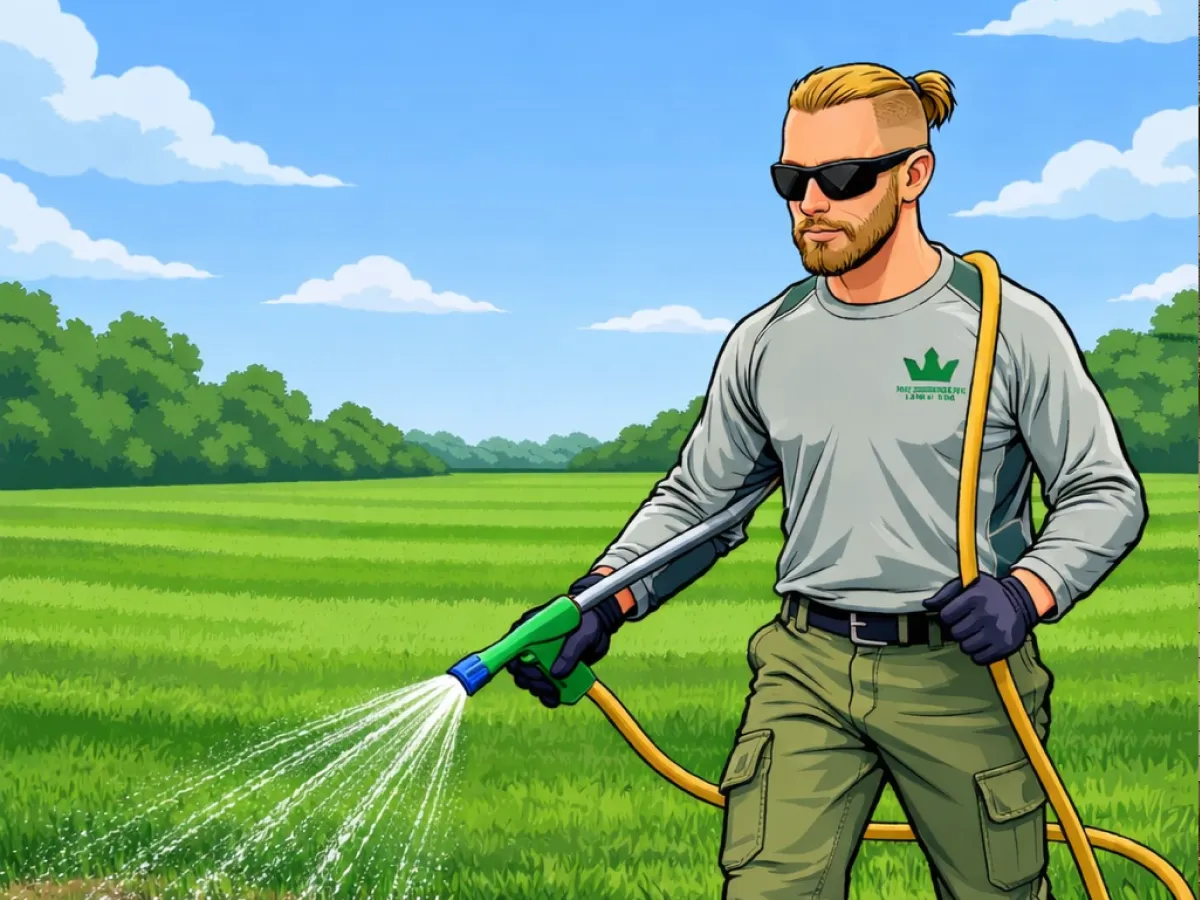
Water represents both a precious resource and a significant expense. Inefficient irrigation systems waste thousands of gallons annually through evaporation, runoff, and overspray onto hardscapes. Modern management strategies deliver moisture where plants need it, when they need it, in quantities that promote deep root growth rather than shallow dependence. Smart watering practices reduce utility costs while producing healthier, more drought-resistant vegetation.
Timing makes tremendous difference in absorption rates. Early morning applications between 4:00 and 8:00 allow water to penetrate soil before daytime temperatures increase evaporation. Leaf surfaces dry quickly, reducing fungal disease pressure that overnight moisture encourages. Evening watering leaves foliage damp through cool night hours, creating ideal conditions for mildew and rot. Midday irrigation loses significant volume to wind drift and immediate evaporation. Concentrating applications during the narrow optimal window maximizes efficiency and plant health simultaneously.
Depth matters more than frequency. Light daily sprinkling encourages shallow roots that cannot access deeper moisture reserves during dry spells. Infrequent deep soaking trains roots to grow downward, developing resilience against temporary drought stress. Most established turf requires only one inch of water weekly, including rainfall. Measuring actual output with catch containers reveals true application rates, which often differ significantly from sprinkler system settings. Adjusting based on observed performance rather than assumptions prevents both under-watering stress and over-watering waste. Properties with properly managed irrigation maintain color and density using 30 to 50 percent less water than those relying on guesswork.
Partnering with Qualified Professionals
Maintaining exceptional outdoor spaces requires specialized knowledge, proper equipment, and consistent execution. While homeowners can handle basic tasks, achieving truly outstanding results demands professional expertise. Trained teams recognize subtle warning signs before minor issues become major problems, apply products at proper rates and intervals, and execute technical procedures that equipment rental cannot replicate. The difference between amateur efforts and professional care becomes increasingly apparent as seasons progress.
My Buckeye Lawn, LLC brings dedicated focus to residential and commercial properties throughout the region. Our team understands the specific challenges that local climate and soil conditions present, tailoring maintenance programs to address these realities rather than applying generic templates. We utilize commercial-grade equipment that covers ground efficiently while delivering precise applications, and our scheduling ensures critical interventions happen during optimal windows rather than when calendars allow. Clients benefit from accumulated experience that prevents costly mistakes and accelerates progress toward their vision.
Consistent professional service compounds improvements year over year. Initial interventions address immediate concerns while establishing foundations for long-term success. Subsequent seasons build upon these foundations, gradually transforming struggling properties into showcases that enhance neighborhood character and property values. Whether you need comprehensive property management or targeted assistance with specific challenges, qualified professionals provide the knowledge, tools, and dedication required to achieve and maintain exceptional results. Contact us at 3304742810 or mybuckeyelawn@gmail.com to discuss how customized services can transform your outdoor spaces.